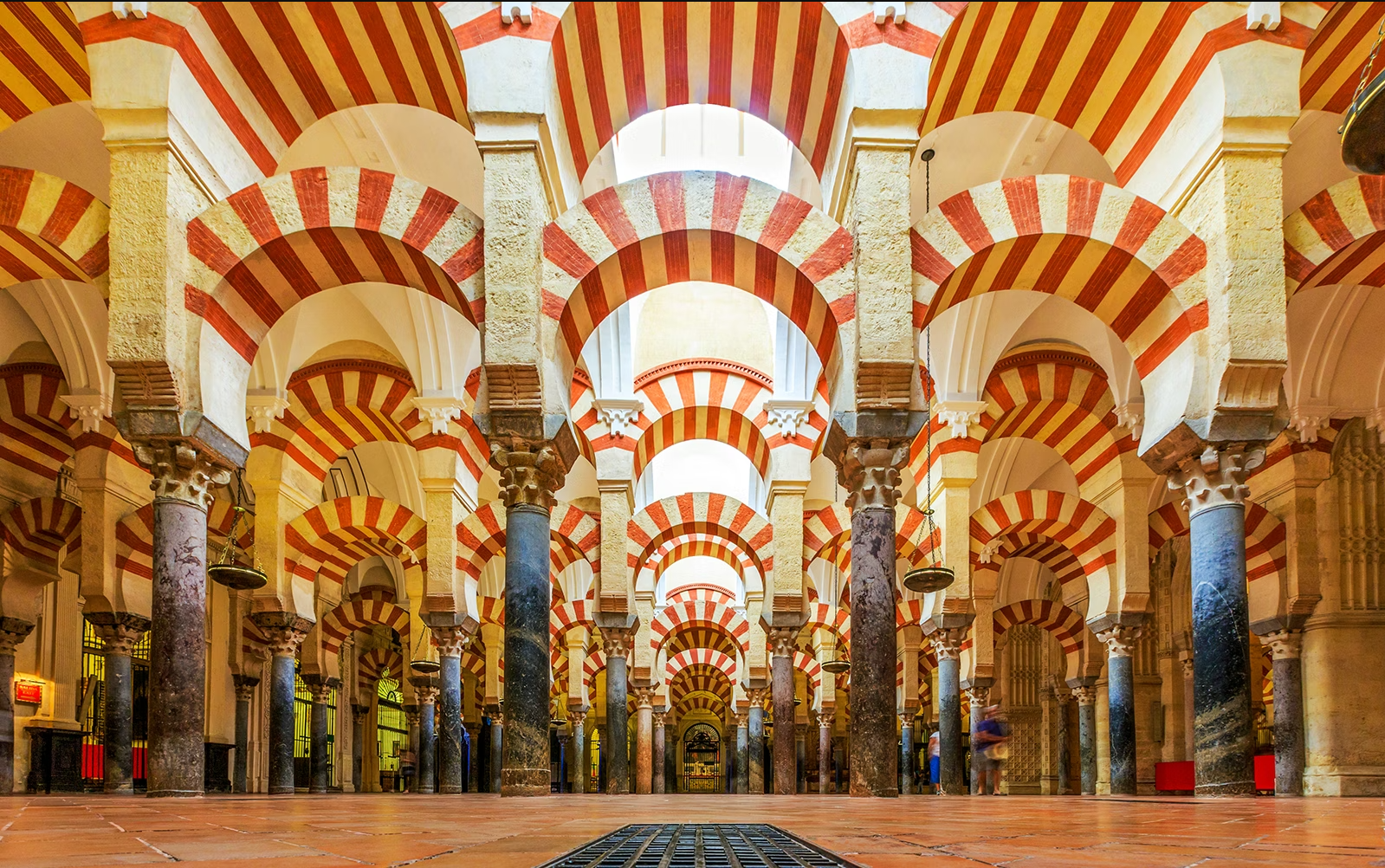
The most important landmark of Córdoba is the Mezquita-Cathedral. It is one of the strangest and most impressive religious buildings in the world. It was originally built as a Visigoth church. Later, a grand mosque was constructed on the same site. When the city fell to the Christians, a cathedral was built right in the middle of the mosque — without dismantling it. Two structures that look nothing alike stand intertwined among 836 columns and red and white arches. Walking inside, there is a feeling that shrinks you — there are so many columns, stretching so far, that you lose track of where you are.
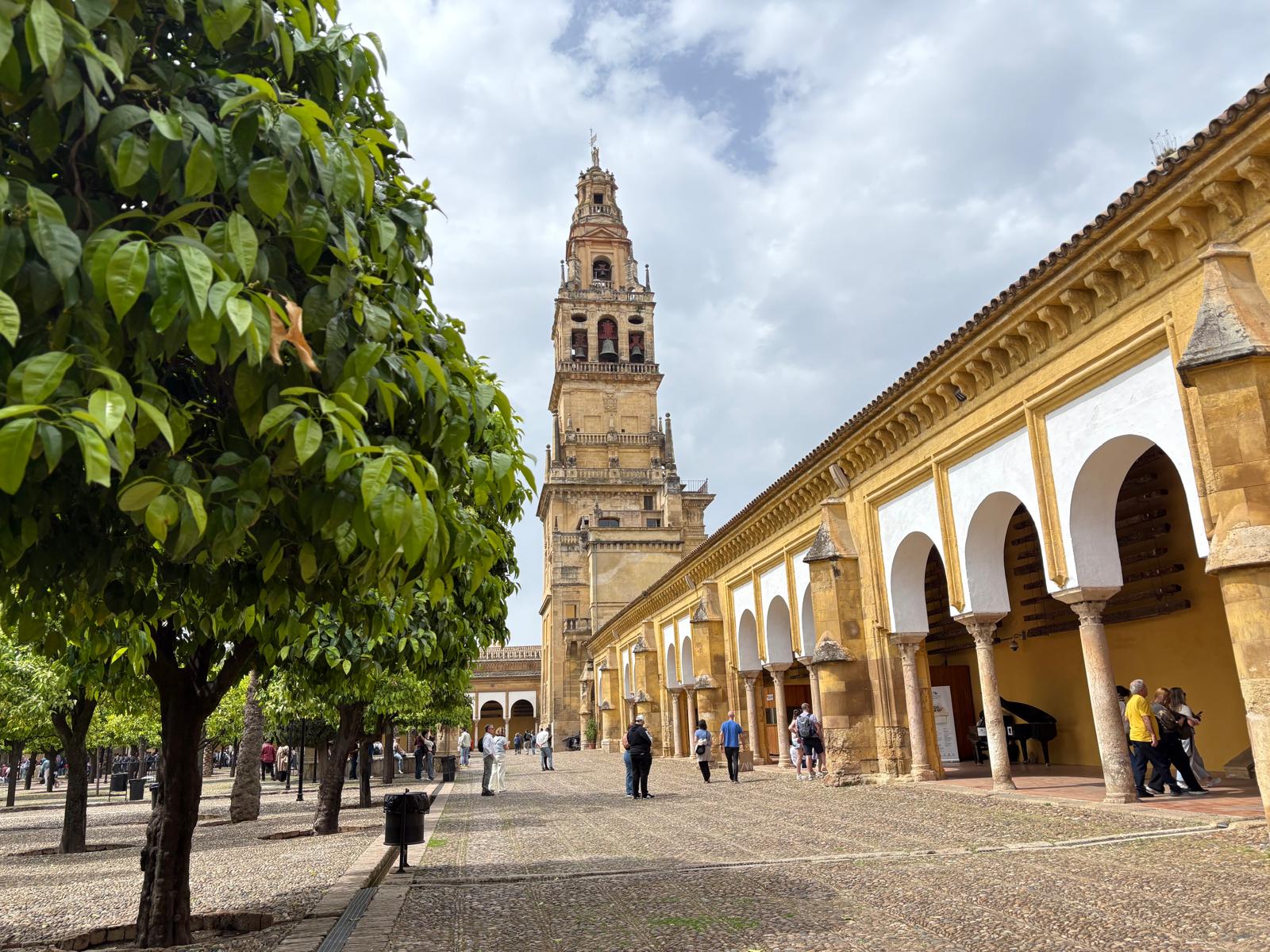
Right next to the Mezquita, in narrow streets with white walls, lies the Jewish Quarter, where the medieval urban fabric has been largely preserved. There is a small synagogue here.
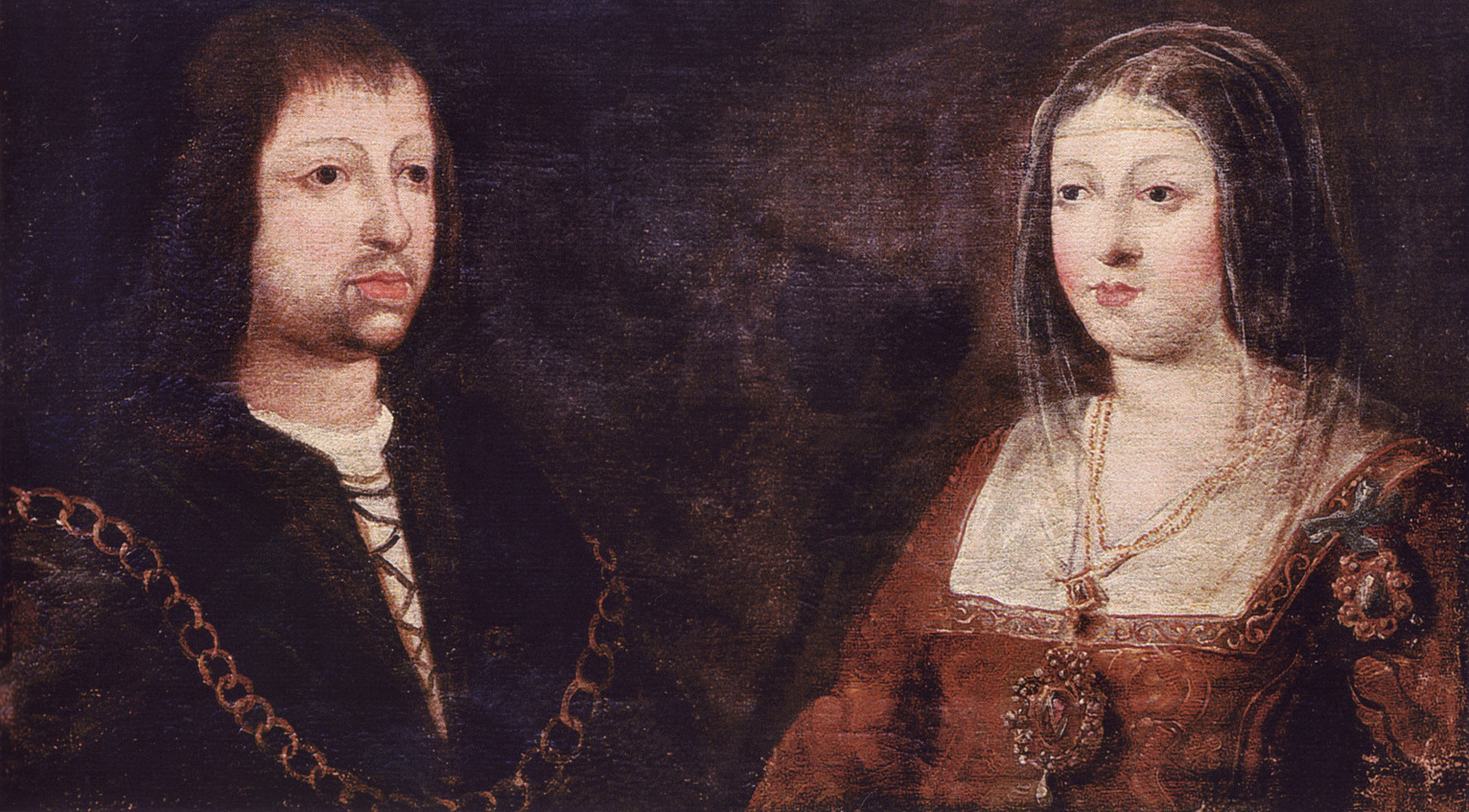
The Alcázar de los Reyes Cristianos has a deeper story. King Ferdinand of Aragon and Queen Isabella of Castile married in 1469 and united their two kingdoms. This marriage is the foundation of modern Spain.
In 1492 they took Granada, and in the same year expelled the Jews. Also in that same year, they sent Columbus to America with their funding. It was here that they received Columbus — meaning the door to America was opened in this very garden. By discovering America on that voyage, Columbus placed Córdoba in a unique position in world history. It was an extraordinarily eventful year for Spain. They also established the Inquisition — a policy of convert, leave, or die. They are regarded as among the darkest figures in history in one sense, yet they are also the ones who built modern Spain. All of this began in this palace in Córdoba. The building itself is not particularly impressive from the outside, but its gardens are a lovely place to spend some time.
The Roman Bridge is a structure built in the 1st century AD — meaning it is 2,000 years old. It has been destroyed and rebuilt many times, but its foundation dates back to the Roman period. It spans the Guadalquivir river and is supported by 16 arches. The Guadalquivir is the main river of Andalusia, flowing through Spain all the way to the Atlantic. It was navigable by ship as far as Seville, which is why Seville became the centre of trade with the Americas. At one end of the bridge stands the Calahorra Tower, and at the other end the silhouette of the Mezquita comes into view. In the evening the bridge is lit up, and at that hour, together with the silhouette of the Mezquita, it creates an entirely different atmosphere. It is an iconic view.
Today Córdoba is a quiet, modest city. But it was once one of the most populous and most advanced cities in the world. Feeling that contrast stays with you somewhere in the back of your mind as you walk through the streets of the city.